Circular Classrooms
Circular Classrooms inspire learners to actively participate in the journey towards sustainability and zero-waste.
What are Circular Classrooms?
The concept of Circular Classrooms is based on the same core principles as the Circular Economy: 1) Minimise waste and pollution 2) Maximise the use of resources by keeping products, materials, and services in use and circulation as long as possible 3) Restore the environment
Circular Classrooms are teaching and learning environments that emphasise systems thinking, efficient resource management, and responsible consumption of education and school materials.
More about Circular Economy and Circular Thinking in the education context
Minimise Waste
Waste generated in schools
Schools generate a variety of waste streams throughout the school year, which range from paper, packaging, and food waste to electronic devices, textbooks, stationery, and school uniforms. One of the main tasks in building a circular education system is to move beyond the traditional "take-make-dispose" model. Circular Classrooms create opportunities for reducing waste, keeping products and materials in circulation, and transforming waste into valuable resources for learning and community impact.
Did you know?
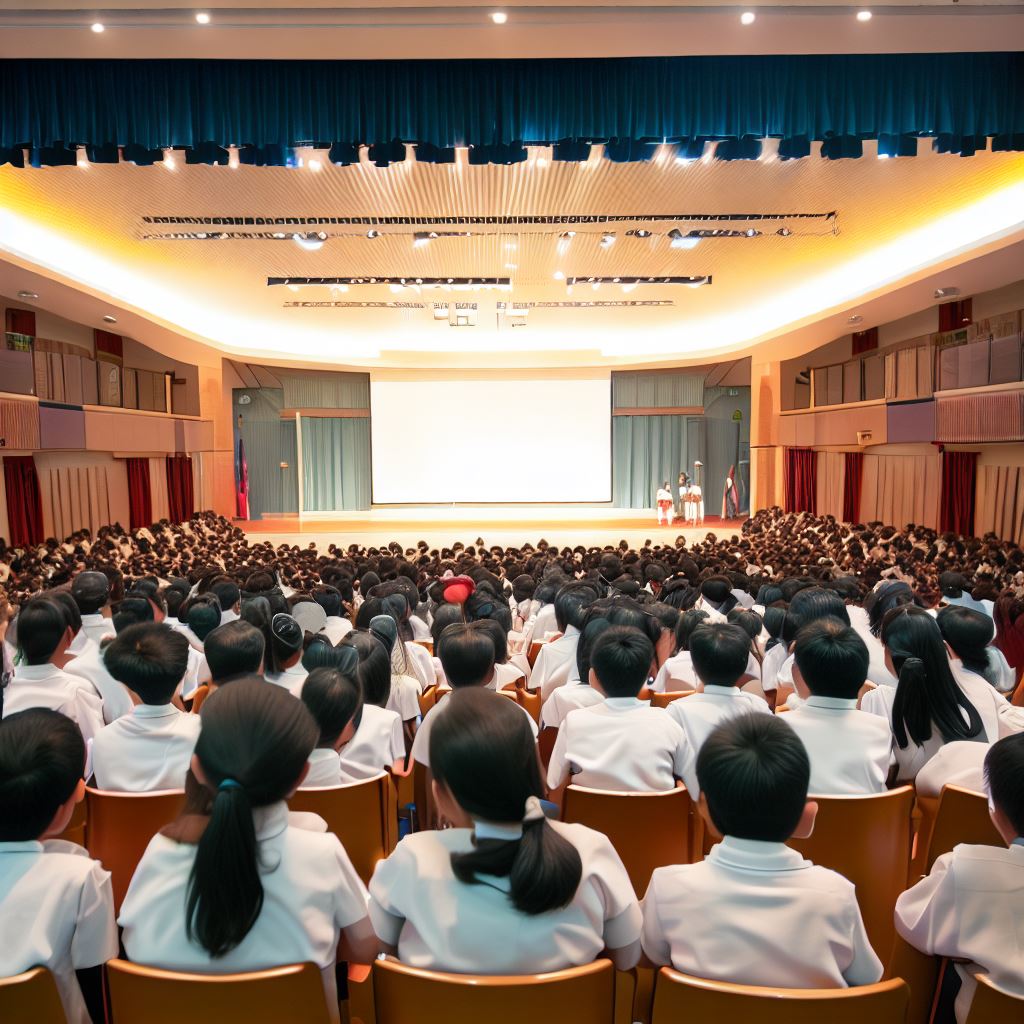
Over 420,000 students are enrolled in Primary, Secondary, Mixed Level Schools or Junior Colleges in Singapore.
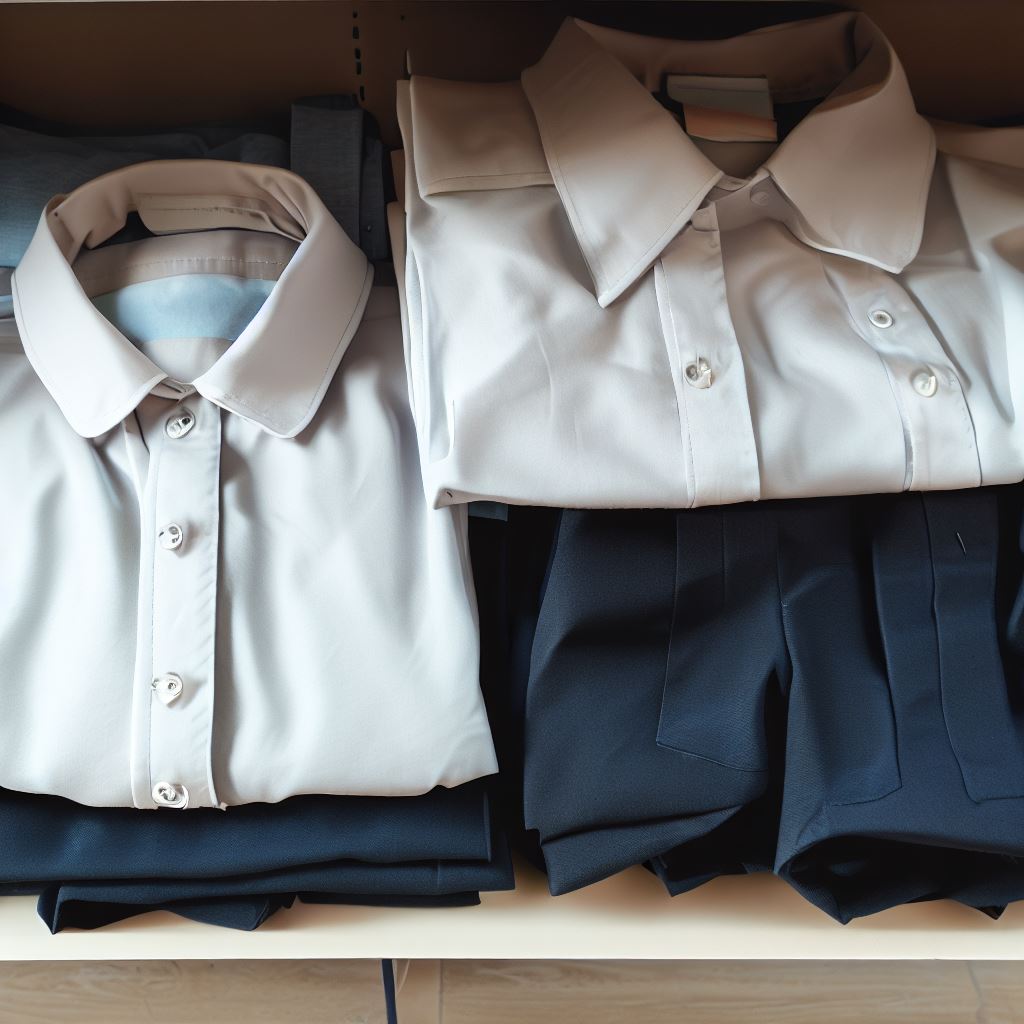
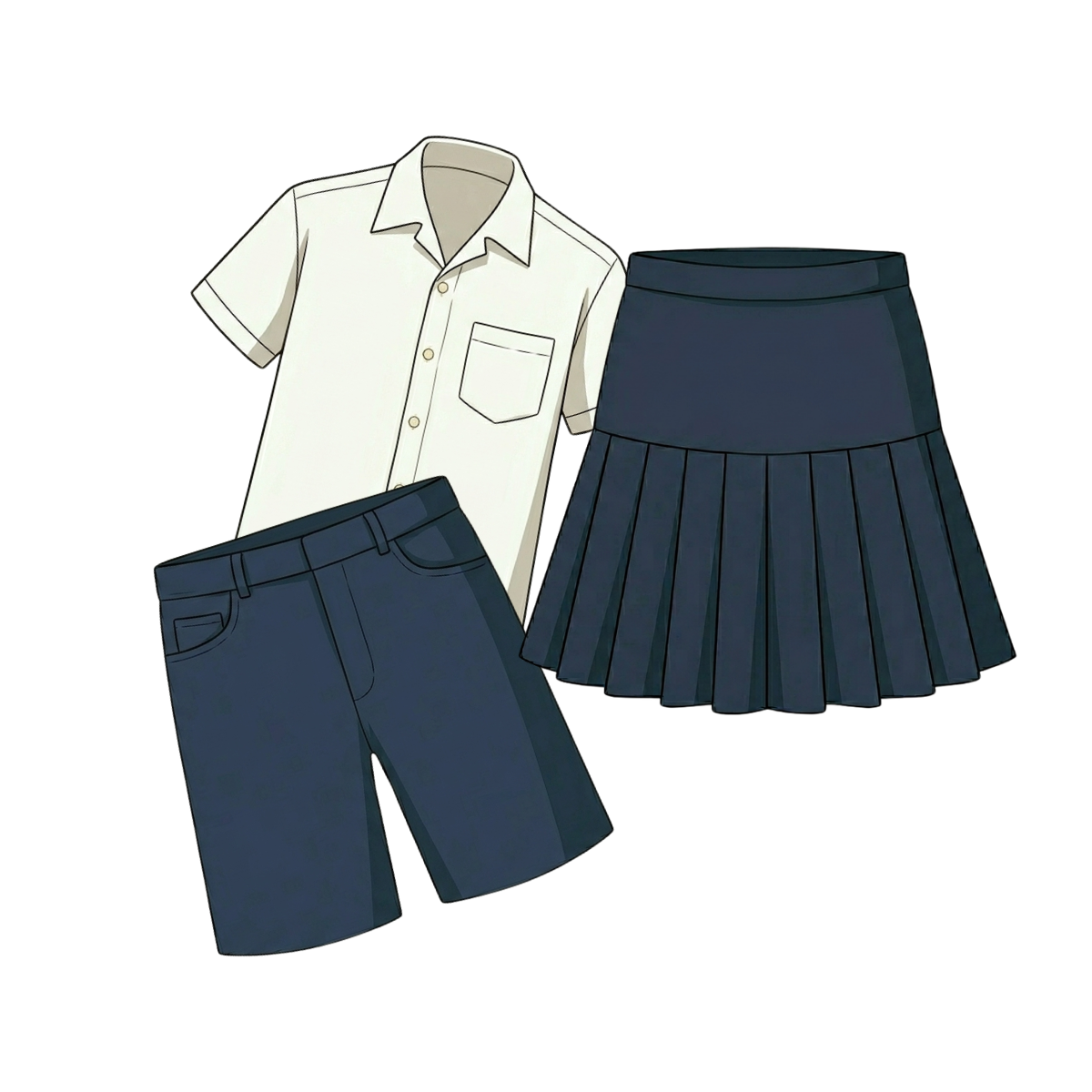
Based on a Pilot Study by SMU-X in 2023, over 70% of students own 3 or more sets of school uniforms.
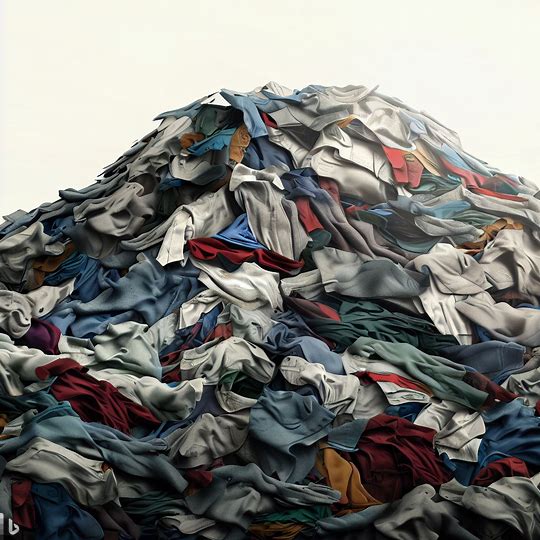
About 86% of school uniforms end up in general waste or are donated to organisations where further usage is mostly unknown.
Minimise Greenhouse Gas (GHG) Emissions
Greenhouse Gas (GHG) emissions generated in schools
Schools generate greenhouse gas emissions in various ways, including direct emissions coming from the building and facility management, emissions related to transportation, and embodied emissions associated with the products, materials and services used for teaching and learning purposes. One main task towards the transition to a circular education system is to find ways how to minimise greenhouse gas emissions and reduce waste in schools.
Be part of the circular classroom journey!
To make environmental impact visible and measurable, The Circular Classroom has developed U-Track and Greener Routes. These digital platforms empower schools, students, and families to track waste, circularity, and transport-related emissions, turning everyday actions into meaningful climate action and supporting data-driven sustainability efforts across the education community.
 Explore U-Track
The Singapore Context - the 4Cs
The Ministry of Education (MoE) of Singapore actively promotes green efforts in school and sustainable living. sustainability. It is "nurturing [...]students to learn, practice and contribute to a sustainable Singapore. Today, environmental sustainability is integrated into our educational institutions […]" through the 4Cs.
1. Curriculum 2. Campus Infrastructure 3. Institution Culture & Practices 4. Partnerships with the Community